
Queens Slip and Fall Lawyer — Holding Negligent Property Owners Accountable
When a wet floor, broken sidewalk, or unlit stairwell puts you on the ground, the property owner had a legal duty to prevent it. We build the cases that prove they failed.
What Premises Liability Actually Means for Your Case
Property owners in New York — whether they run a supermarket, manage an apartment building, or control a city sidewalk — are required by law to maintain their premises in a reasonably safe condition. When they don't, and someone is injured as a result, that's premises liability. As a Queens slip and fall lawyer, Jason Paris has spent more than 30 years holding those owners, landlords, and municipalities responsible.
The challenge in these cases is that property owners and their insurers move fast. Surveillance footage gets overwritten. Incident reports disappear. The condition that caused your fall gets repaired before anyone photographs it. The sooner you contact us, the more evidence we can preserve.
Store and Supermarket Falls
Retail stores and supermarkets owe customers a duty to inspect aisles, clean spills promptly, and mark hazards. When a floor is wet without a warning sign, when merchandise is stacked unsafely, or when a mat is bunched up in a doorway, the business can be held liable. These cases often involve corporate defendants with aggressive claims teams — which is exactly why you need a trial attorney, not a settlement mill, in your corner.
Sidewalk and Curb Falls
New York City sidewalk liability is complicated. Depending on where the sidewalk is located and what caused the defect, responsibility may fall on the abutting property owner, the city, or a utility company. We handle the investigation, identify the correct defendant, and file the proper notices before deadlines expire. If a municipality is involved, a 90-day Notice of Claim is required — missing it can end your case before it begins.
Snow and Ice Falls
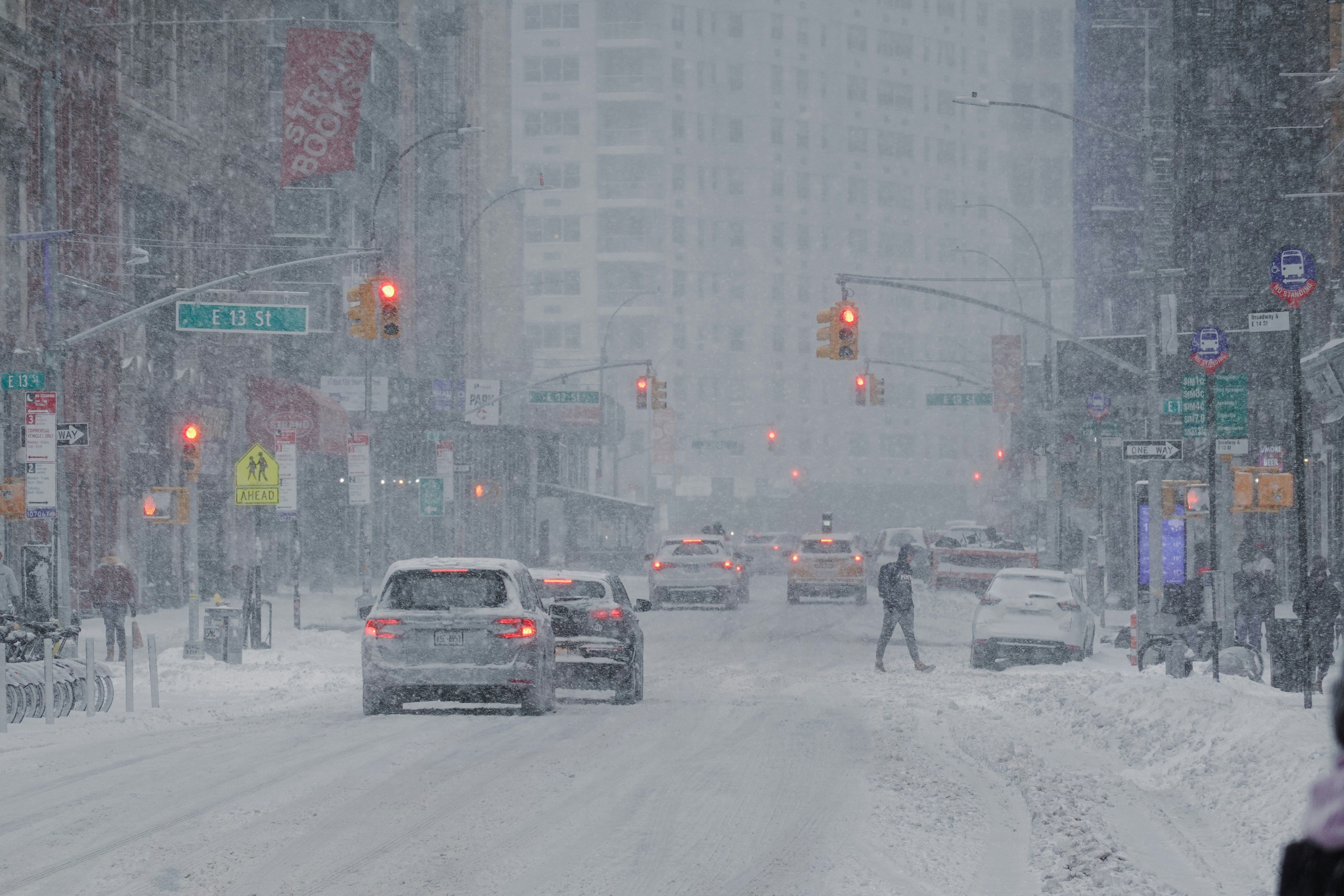
Property owners and managers are required to clear snow and ice within a reasonable time after a storm ends. If you slipped on an icy walkway, an unsalted parking lot, or a building entrance that hadn't been cleared, the owner may be liable. These cases require quick action — conditions change, and photographic evidence is often gone within days.
Building and Apartment Falls
Landlords are responsible for keeping common areas — hallways, stairwells, lobbies, and building entrances — safe and properly lit. A broken stair, a missing handrail, a flooded lobby, or a burned-out bulb in a stairwell can all give rise to a viable premises liability claim. We represent tenants, guests, and visitors injured in residential and commercial buildings across Queens and the surrounding boroughs.
Staircase and Elevator Accidents
Defective stairs and malfunctioning elevators are among the most serious premises hazards in New York City's older building stock. Whether a step collapsed, a handrail gave way, or an elevator door closed on you, these incidents often produce significant injuries — and the building owner or management company typically bears responsibility. We work with engineers and safety experts to document the defect and establish the owner's notice.
Parking Lot and Garage Falls
Poorly maintained parking lots — cracked asphalt, unmarked speed bumps, inadequate lighting, drainage failures that create ice — cause serious injuries that property owners routinely try to minimize. Commercial parking facilities and private lots both carry a duty of care to people using them. We investigate who owned and controlled the property, who was responsible for maintenance, and where the failure occurred.
Construction Site Premises Hazards
Not every construction site injury is a Labor Law claim. If you were a visitor, a passerby, or a non-worker injured on or near a construction site because of a dangerous condition — an unsecured excavation, debris on a public walkway, inadequate barriers — you may have a premises liability claim against the site owner or general contractor. We evaluate both premises and Labor Law angles to build the strongest possible case.
Why These Cases Are Harder Than They Look
Premises liability cases in New York are vigorously defended. Insurance carriers dispatch adjusters to the scene quickly, and property owners have legal teams whose job is to shift blame onto the injured person — arguing you weren't watching where you were going, that the hazard was obvious, or that you were wearing the wrong shoes. These are not frivolous defenses. They work when the injured party doesn't have experienced trial counsel.
At The Paris Law Group, every file is handled by multiple attorneys and two to three paralegals. We gather evidence before it disappears, retain the right experts, and prepare every case as if it's going to trial — because sometimes it does.
How We Handle Slip and Fall Cases in Queens and NYC
Our approach is built around the reality that premises liability cases live or die on evidence and preparation. Here's how we work from the moment you call us.
Case Evaluation and Evidence Preservation
We start by getting the full picture of what happened — where, when, what the condition was, and who was responsible for maintaining it. Then we move immediately to preserve evidence: sending spoliation notices to preserve surveillance footage, photographing the scene, obtaining maintenance logs, and identifying witnesses before memories fade.
Identifying the Right Defendant
In New York, multiple parties can share responsibility for a dangerous condition — the property owner, a tenant, a management company, a contractor, or a municipality. Getting this wrong means suing the wrong party and losing time. We investigate ownership records, lease agreements, and maintenance contracts to identify every party with potential liability.
Meeting Critical Deadlines
If a city agency, the MTA, or another public authority is involved in your case, you have 90 days from the date of injury to file a Notice of Claim. For standard personal injury claims, the statute of limitations in New York is generally three years — but waiting costs you evidence. We flag every deadline from day one and make sure nothing slips through.
Building the Medical and Damages Picture
We connect clients with orthopedic specialists, neurologists, and other medical professionals who understand how to document injuries in a way that supports the legal case. The strength of your damages claim depends on thorough, consistent medical treatment and records. Our referral network exists specifically to help clients who don't have a doctor lined up get the care they need.
Negotiating — and Litigating When Necessary
Most premises liability cases settle, but they settle for more when the insurance company knows the attorney on the other side is prepared to try the case. Jason Paris has more than 30 years of trial experience in New York courts. When a fair offer isn't on the table, we go to trial. That credibility changes how insurers approach every negotiation.
What Compensation Can You Recover?
A successful premises liability claim can include compensation for a range of economic and non-economic losses. Every case is different, and we will give you an honest assessment of what yours may be worth — not an inflated number designed to get you to sign a retainer.
Recoverable damages typically include:
- Medical expenses, past and future
- Lost wages and diminished earning capacity
- Pain and suffering
- Permanent disability or disfigurement
- Out-of-pocket costs related to your injury and recovery
- Wrongful death damages if the fall was fatal, including funeral expenses and loss of support
More Answers
Talk to a Queens Premises Liability Attorney Today
How long do I have to file a slip and fall lawsuit in New York?
For most premises liability claims against private property owners, the statute of limitations in New York is three years from the date of injury. If a government entity — the city, the MTA, or another public authority — is involved, you have only 90 days to file a Notice of Claim. Missing that deadline typically bars your case entirely, so contact an attorney as soon as possible.What if I was partially at fault for my fall?
New York follows a pure comparative negligence rule, which means you can still recover compensation even if you were partly responsible. Your damages are reduced by your percentage of fault — but they are not eliminated. Insurance companies routinely try to exaggerate the injured person's share of blame to reduce what they pay. We push back on that.What does a premises liability attorney in NYC actually do for my case?
We investigate the property and its maintenance history, identify who is legally responsible, preserve evidence before it disappears, retain expert witnesses, handle all communication with the insurance company, and prepare the case for trial if a fair settlement isn't offered. Our job is to build the strongest possible claim while you focus on recovering.Do I need to prove the property owner knew about the dangerous condition?
Yes — notice is a key element of most premises liability claims. You generally need to show the owner either created the hazard, knew about it, or should have known about it through reasonable inspection. Surveillance footage, maintenance logs, and prior complaints are often critical to establishing notice. This is one reason why acting quickly matters so much.How much does it cost to hire a slip and fall lawyer?
Nothing upfront. We handle premises liability cases on a contingency fee basis, which means we only get paid if we recover compensation for you. There are no hourly fees, no retainers, and no out-of-pocket costs while your case is pending.What should I do immediately after a slip and fall accident?
Report the incident to the property owner or manager and ask for a copy of the incident report. Photograph the hazard and the surrounding area before anything is cleaned up or repaired. Get the names of any witnesses. Seek medical attention even if you feel okay — some injuries don't present fully until hours or days later. Then call us. The steps you take in the first 24 to 48 hours can make a significant difference in your case.